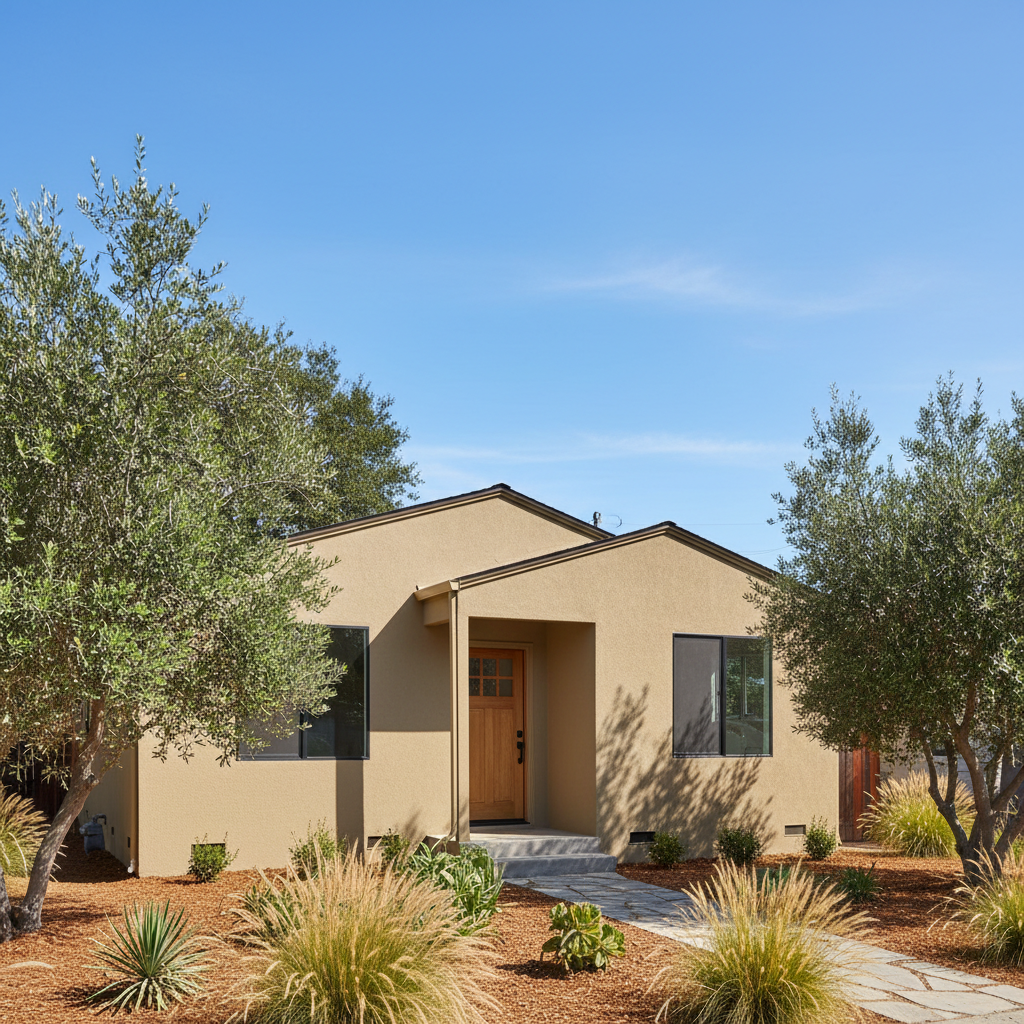
What's the Deal with EIFS Costs in Oakland?
Alright, let's talk about EIFS, or Exterior Insulation and Finish Systems. You might know it as synthetic stucco. It's a popular choice for a lot of folks here in Oakland, especially if you're looking to boost your home's energy efficiency and get a clean, modern look. But what's it actually going to cost you? That's the million-dollar question, isn't it?
I've been in this business a long time with Oakland Stucco & Plastering, and I've seen a lot of projects come and go. When it comes to EIFS installation, there's no single price tag. It's not like buying a gallon of milk, after all. A bunch of things can swing the cost up or down, and you really need to understand them before you get any quotes.
What Really Drives EIFS Pricing?
You want specifics, so let's break down the main factors that'll affect your EIFS bill:
- Your Home's Size and Complexity: This is probably the biggest one. More square footage means more materials and more labor. But it's not just about flat walls. If your home has a lot of architectural details – think intricate trim, multiple bump-outs, arches, or a bunch of windows and doors – that's going to add complexity. Each of those features needs careful cutting, flashing, and sealing, which takes more time and skill. Higher walls or areas that need extensive scaffolding also push up labor costs.
- EIFS System Type: There are different classes of EIFS. Class PB (polymer-based) is common for residential jobs, using a thin base coat. Class PM (polymer-modified) is thicker, more like traditional stucco, and generally costs more in materials and labor. You'll also find systems with different insulation thicknesses; a thicker insulation board means a higher R-value and better energy savings, but yes, it also means a higher material cost.
- Material Quality and Finish: Just like anything else, EIFS materials come in different grades. High-quality materials might cost more upfront but often last longer and insulate better. The finish texture and color you pick also play a role. Fine sand finishes are different from specialty stone aggregate looks, and those differences affect material prices.
- Substrate Preparation: This is a big one, especially in older Oakland homes. If your existing exterior needs repairs, or if there's underlying damage like rot or mold, we have to do that work before any EIFS goes on. This prep can add 10-15% to the overall cost, but it's non-negotiable for a proper, long-lasting installation.
- Labor Rates in the Bay Area: Let's be real, labor in Oakland isn't cheap. We're talking about skilled applicators who know how to install these systems correctly to prevent moisture issues. Oakland's labor market is generally higher than the national average, which factors into your quote.
- Accessibility: Is your house on a flat lot, or is it perched on one of those steep Oakland hillsides? Easy access for equipment and crews keeps costs down. If we need special lifts or extensive scaffolding because of tight spaces or extreme heights, that'll be reflected in the price.
Typical EIFS Cost Ranges in Oakland
Okay, let's get to some numbers. Nationally, EIFS installation typically runs from $8 to $14 per square foot. But here in the Bay Area, and specifically Oakland, you might see that range shift a bit higher due to local labor and material costs.
For a standard Class PB EIFS system on a residential home with average complexity, you're generally looking at about $10 to $18 per square foot.
- Lower End ($10-$12/sq ft): This would be for simpler projects. Think flat walls, easy access, not a lot of intricate details, and standard 1-inch insulation. Maybe a small addition or a very straightforward commercial facade.
- Mid-Range ($13-$15/sq ft): This is where most residential projects land. Average complexity, a few windows, maybe some modest trim, and 1.5-2 inches of insulation.
- Higher End ($16-$18+/sq ft): For complex designs, lots of corners, arches, intricate detailing, thicker insulation, or tough access requiring significant scaffolding. If you're choosing a premium finish or a Class PM system, expect to be in this range or higher.
So, for an average 2,000 square foot home, you could be looking at a total project cost anywhere from $20,000 to $36,000. Keep in mind, this is for the wall area, not the floor area of your house.
What Should a Comprehensive Quote Include?
When you get a quote from a reputable contractor like Oakland Stucco & Plastering, it shouldn't just be a single number. You need to see a breakdown. Here's what we usually include:
- Preparation Work: This covers cleaning the existing surface, any necessary repairs to the substrate, proper flashing around all openings (windows, doors, vents), and installing drainage components – especially important with our rainy winters here in the East Bay.
- Materials List: A detailed breakdown of all the EIFS components – adhesive, insulation board (EPS), base coat, fiberglass mesh, primer, and the finish coat (including the specific color and texture you've chosen).
- Labor Costs: The cost for the crew to install everything correctly, including setup and cleanup.
- Equipment & Access: If special equipment like scaffolding or lifts are needed, that cost will be itemized.
- Permits & Inspections: Don't forget these. Building permits are required in Oakland, and the cost for these, along with any necessary inspections, should be included or clearly stated.
- Waste Removal: Getting rid of old siding or construction debris isn't free. This should be covered.
- Warranty Information: A good contractor will stand behind their work. Make sure the warranty for both materials and labor is clear.
How to Avoid Overpaying for EIFS
Nobody wants to get ripped off. Here's how you can make sure you're getting a fair deal:
- Get Multiple Quotes: This is basic, but crucial. Talk to at least three different contractors. It helps you compare not just prices, but also their approach, proposed materials, and timelines.
- Ask for a Detailed Breakdown: As I just said, don't accept a single number. Insist on an itemized quote so you know exactly what you're paying for. This also helps you compare apples to apples between different bids.
- Check References and Licenses: Always, always, always check a contractor's references and verify their license and insurance. You want someone with a proven track record, especially with EIFS, which can have moisture issues if installed incorrectly.
- Understand the EIFS System: Ask questions about the specific EIFS system they plan to install. Is it a drainage system? What R-value insulation are they using? The more you know, the better you can assess the value.
- Don't Automatically Go for the Cheapest Bid: The lowest price often means corners are being cut, either in materials or labor. With EIFS, a bad installation can lead to expensive moisture damage down the road. It's better to pay a bit more for quality and, well, peace of mind.
- Clarify Everything in Writing: Make sure all agreements, including the scope of work, materials, timeline, and payment schedule, are in a written contract before any work begins.
EIFS is a solid investment for your home, offering great insulation and a fresh look. Just do your homework, ask the right questions, and work with a contractor who knows their stuff. You'll be glad you did.