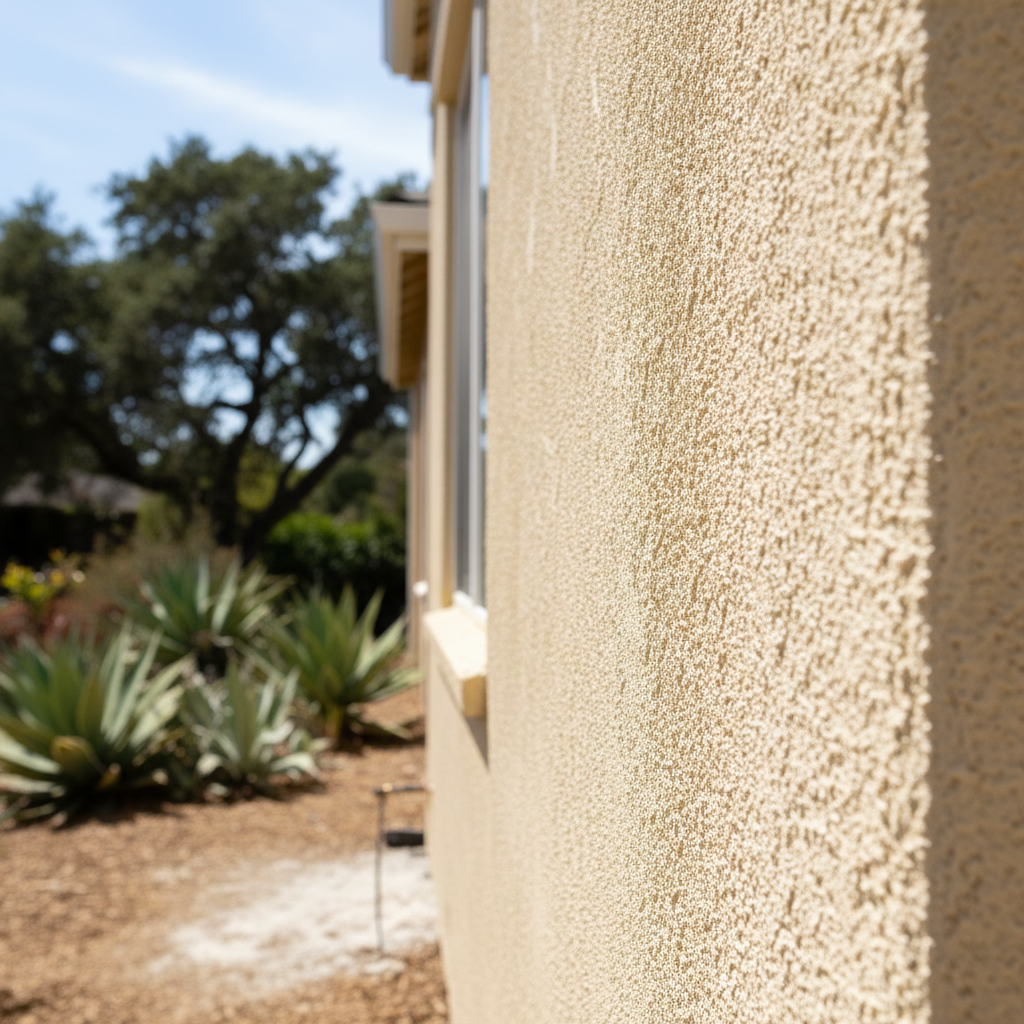
You've got stucco on your house, and you probably know it's a tough, durable material — when it's put on right, that is. But even the best stucco needs a once-over now and then. Think of it like changing the oil in your car. You wouldn't just ignore it until the engine seizes up, right? Same goes for your home's exterior. Knowing what to look for can save you a ton of headaches and cash down the line.
Before You Start: What You Need to Know
Before you even think about climbing a ladder, let's talk about what stucco is supposed to look like, and what it's definitely not. Good stucco should have a uniform color and texture. You shouldn't see any big, spiderweb cracks all over the place. Small, hairline cracks? Yeah, those can happen, especially with our temperature swings here in Oakland, from hot summer days to cool, foggy mornings. It's the bigger, wider cracks — or ones that run horizontally or vertically for long stretches — that are real red flags.
Another thing to keep in mind is water. Stucco is designed to shed water, not absorb it. If you spot dark spots, green algae, or any kind of discoloration that suggests moisture is getting in and staying, that's a problem. Pay special attention around windows, doors, and rooflines. These are the usual suspects for water intrusion because that's where the stucco system meets another material. If the flashing or sealants aren't doing their job, water will find a way in, believe me.
You'll want a good pair of eyes, maybe some binoculars for higher spots, and definitely a sturdy ladder if you're going to get up close. A notepad and your phone's camera are also super handy for documenting anything suspicious.
Your DIY Stucco Inspection Checklist
Alright, let's get into it. Here's what you can realistically check yourself without needing a degree in building science:
- Walk the Perimeter: Just start by walking around your house. Take a good look at every wall. Are there any obvious cracks? Any areas that look discolored or damp?
- Check the Foundation Line: Look where the stucco meets the ground or your foundation. There should be a gap, usually an inch or two, called a weep screed. This lets any moisture that gets behind the stucco drain out. If it's buried in dirt, plants, or concrete, that's a problem.
- Windows and Doors: These are critical spots. Check the stucco right around the frames. Are there any cracks radiating from the corners? Is the caulk or sealant around the windows and doors cracked, missing, or pulling away? If water gets in here, it can cause major damage.
- Roofline and Eaves: Look where your roof meets the stucco. Are the gutters clean and actually directing water away from the walls? Any staining below the eaves?
- Penetrations: This includes anything that goes through your stucco – light fixtures, hose bibs, dryer vents, electrical conduits. Make sure these are properly sealed and that there are no gaps where water can sneak in.
- Tap Test: This is a simple one. Gently tap the stucco with a rubber mallet or even your knuckles. It should sound solid. If you hear a hollow sound, that can indicate delamination – where the stucco is separating from the wall underneath. This is a big deal.
When to Call in the Pros at Oakland Stucco & Plastering
You've done your walk-around, you've tapped, you've looked. If you've found anything on that checklist that looks suspect – especially wide cracks, persistent moisture stains, or hollow sounds – it's time to call in a professional. Don't try to patch up major issues yourself. You might just be covering up a bigger problem.
A professional stucco inspection goes way beyond what you can see from the outside. We've got tools like moisture meters that can detect water behind the stucco without tearing anything open. We know the common failure points for homes in areas like the Oakland Hills, where hillside movement or specific weather patterns can stress stucco differently. We're looking for things like proper flashing details, the integrity of the lath, and whether the original installation was done to code.
Even if you don't see anything obviously wrong, it's not a bad idea to get a professional inspection every few years, especially if your home is older or if you're planning on selling. Think of it as preventative maintenance. Catching a small issue early, like a failing sealant joint, is a lot cheaper and easier than dealing with widespread dry rot and structural damage down the road.
So, do your part, keep an eye on your stucco. But know when to hand it over to the experts who deal with this stuff every day. It's your home, after all, and protecting it is worth the effort.