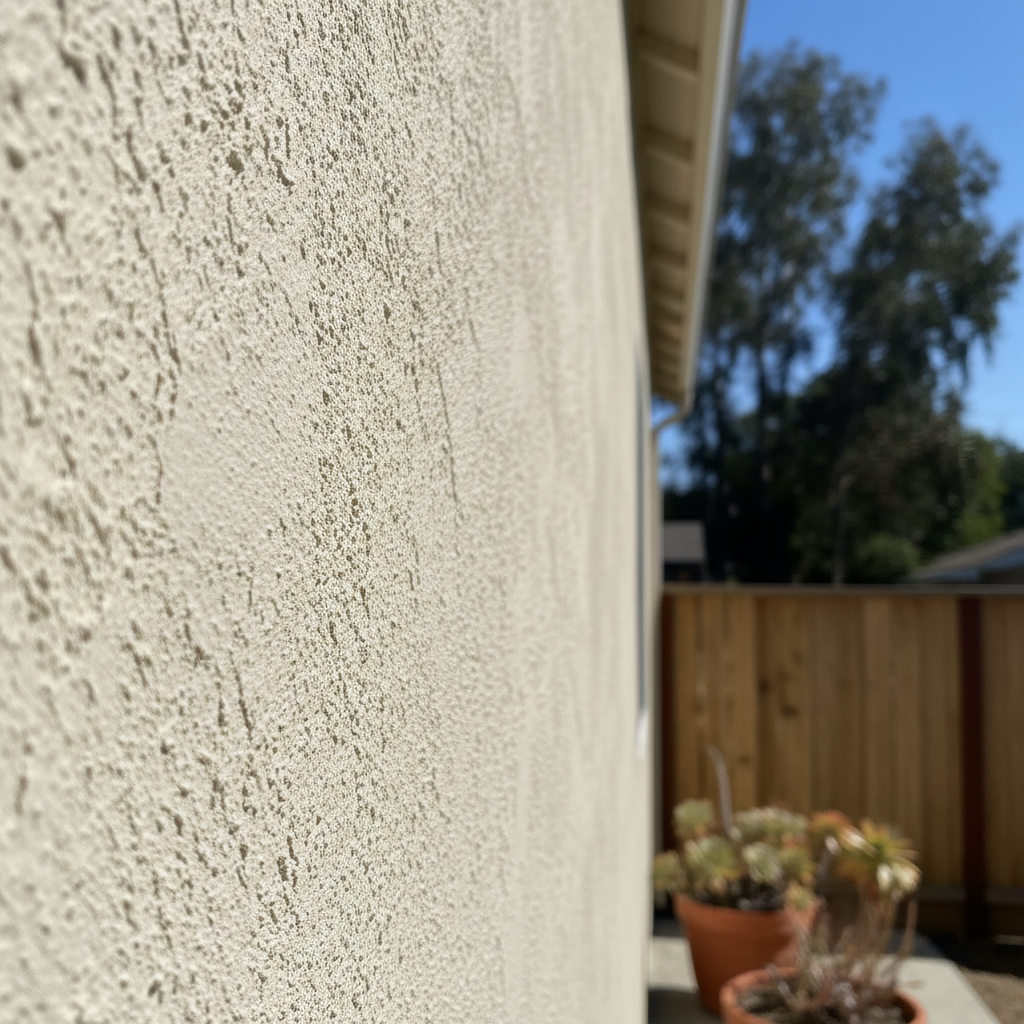
Alright, let's talk stucco. It's tough, looks great, and protects your home, but it's not invincible. Especially here in Oakland, with our crazy microclimates – one minute it's foggy in the Oakland Hills, the next it's baking hot in the flatlands. That kind of weather can really put some serious stress on your stucco. Knowing how to properly check it out can save you from a small crack turning into a massive, expensive headache.
I've seen it all in my years with Oakland Stucco & Plastering, and I'm telling you, just a little proactive looking around goes a long way. This isn't about becoming a stucco expert overnight, but it is about understanding what you're looking at and when to bring in someone who does this for a living.
Before You Even Start Looking
Before you grab a ladder or call anyone, you need to set yourself up for success. First, think about timing. You should be doing a visual check at least once a year, ideally in the spring after the winter rains have passed. That's when any new damage from the wet season will likely show up. If we've had a particularly nasty storm, do another quick walk-around.
Next, get your tools ready. You don't need much for a basic DIY inspection:
- A good pair of eyes, obviously.
- A notepad and pen, or your phone for taking pictures.
- A small flashlight, handy for peering into shadows or under eaves.
- Binoculars, if you've got 'em, for high-up spots you can't reach.
- A small, soft rubber mallet or even the handle of a screwdriver. This is for tapping, not whacking.
Understand your stucco type, if you can. Most older Oakland homes have traditional Portland cement stucco. It's breathable, durable, and applied in layers. Newer homes might have synthetic stucco (EIFS), which is great for insulation but can trap moisture if not installed right. Knowing what you've got helps you understand potential vulnerabilities – a little knowledge goes a long way, right?
During Your DIY Visual Inspection
This is where you become a detective. Walk around your entire house, slowly. Look at everything. Pay extra close attention to areas where water tends to gather or where different materials meet.
What to Look For:
-
Cracks: Everyone freaks out about cracks, but not all cracks are created equal. Hairline cracks? Usually cosmetic, especially with our temperature swings. Stucco is rigid, and houses settle, so minor cracking is normal. But if you see cracks wider than a credit card, or ones that form a spiderweb pattern, or diagonal cracks coming off window and door corners, those are red flags. They can mean structural movement or moisture getting in.
-
Discoloration and Stains: Dark streaks, green patches (algae), or white powdery stuff (efflorescence) are big indicators of moisture. Efflorescence means water is moving through the stucco and leaving mineral deposits behind. Pay attention to stains around windows, doors, and at the base of your walls.
-
Bulging or Soft Spots: This is where your tapping tool comes in. Gently tap the stucco. Does it sound hollow in some places? Does it feel soft or spongy when you press on it? If so, that's a serious sign of trapped moisture and potential rot underneath. The stucco might be separating from the wall.
-
Flashing and Sealants: These are your home's rain gear. Check around all windows, doors, vents, and where the roof meets the wall. Are the sealants cracked, missing, or pulling away? Is the flashing bent, rusted, or improperly installed? These are prime entry points for water.
-
Drainage: Look at the ground around your house. Is it sloped away from the foundation? Are your gutters clean and directing water away? Is the weep screed (that metal strip at the bottom of your stucco) clear of debris? Poor drainage means water pooling against your stucco, and that's just asking for trouble.
When to Call a Pro
You can do a lot yourself, but there are definitely times you need to bring in the big guns. If you find any of those red flags I mentioned – significant cracks, bulging, soft spots, or persistent staining – it's time for a professional stucco inspection.
A good professional inspector, like us at Oakland Stucco & Plastering, or an independent third-party inspector, will go beyond a visual check. They'll use moisture meters to detect hidden water behind the walls, which is something you can't do on your own. They can tell you if those cracks are just cosmetic or if they're letting water into your wall system. They'll give you an unbiased assessment and a detailed report.
You should also consider a professional inspection every 3-5 years, even if you don't see obvious problems. It's like a check-up for your house. If your home is older than 15 years, you might want to do it every 2-3 years.
After the Inspection
So, you've done your walk-around, or you've got a professional report in hand. Now what?
If you found minor issues during your DIY check, like small hairline cracks, you can often seal those yourself with an elastomeric caulk. Keep your stucco clean with a garden hose and a mild cleaner to prevent algae and dirt buildup. Make sure your gutters are clear and the ground slopes away from your foundation.
If the pro found bigger problems, don't panic. The report will outline the damage and recommend repairs. This is crucial for understanding the scope of work needed. Remember, fixing the source of water intrusion is always the first step before any cosmetic repairs.
Don't ignore the findings. Water damage can quickly lead to mold, wood rot, and structural issues that are far more expensive to fix down the road. Addressing problems early is always the smart move. It protects your investment and keeps your Oakland home looking good and standing strong for years to come.